Submitted Allan Goddard, Breton Museum
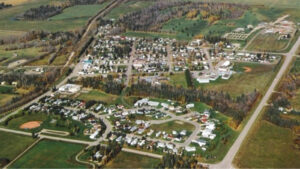
The history of Keystone, and the African American families who settled Keystone plays a significant role in the mandate of the Breton Museum. However, the museum has only a small number of artifacts that we can document as being owned by a family member of the Keystone community. The “Matilda Day Quilt” is one of these artifacts, and it is cherished by the museum.
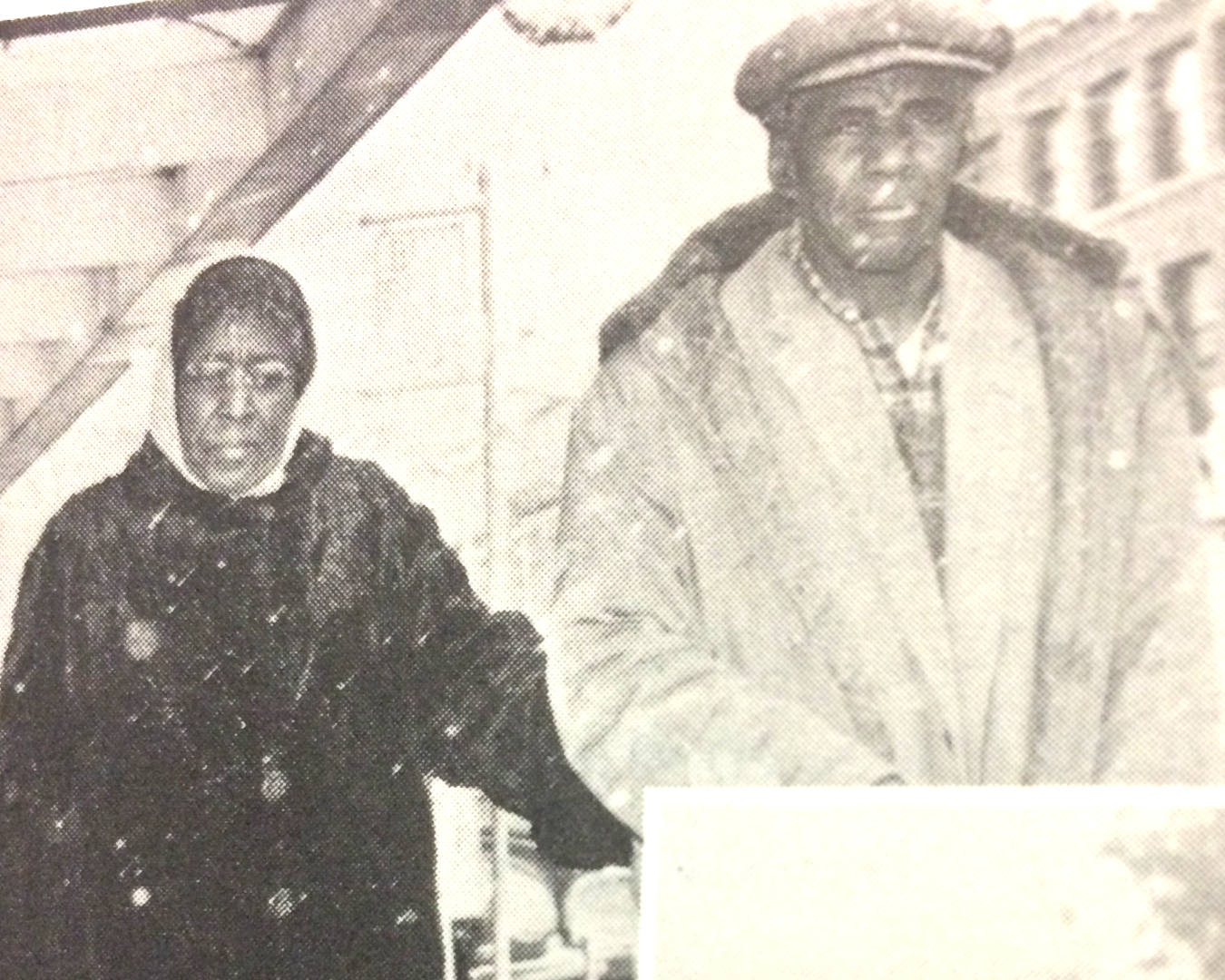
Matilda (Bartlett), along with her husband Will Bailey and adopted son, affectionately called Big Eddie, came from Council Grove, Kansas to Edmonton about 1910. Will’s brothers Robert and Ben, Mrs. Bartlett, Matilda’s mother and the Harding family also came with them to Canada at this time. Mrs. Bartlett would return to Kansas a short time later, as she found the climate too harsh for her. The Bailey’s resided in Edmonton for a period of time, but in 1911 they filed on homesteads at Keystone.
Tragedy would befall Matilda when Will succumbed to the Spanish Influenza in 1918, leaving Matilda a widow with a small child. In 1919 Matilda married Willis Day at the Funnell school. Their daughter Gwen was born in 1920, we later would know her as Gwen Hooks.
Now back to my story about the quilt. The quilt was donated to the museum by Gwen in 1994. From what little information was documented at the time of the donation, the quilt had been made by her mother Matilda. Gwen thought it had been made in the 1930’s. Lucie Heins, from the Royal Alberta Museum, was conducting a research project about quilting traditions in Alberta. Lucie had seen the quilt on display when she had visited the Breton Museum. In 2015, Lucie travelled to various Alberta museums to document quilts not only in the museum’s collections but from community members. One of her stops was the Breton Museum because of the Matilda Day quilt she had seen on her visit.
Lucie is very knowledgeable on quilting patterns, methods and dating quilts from the materials used.
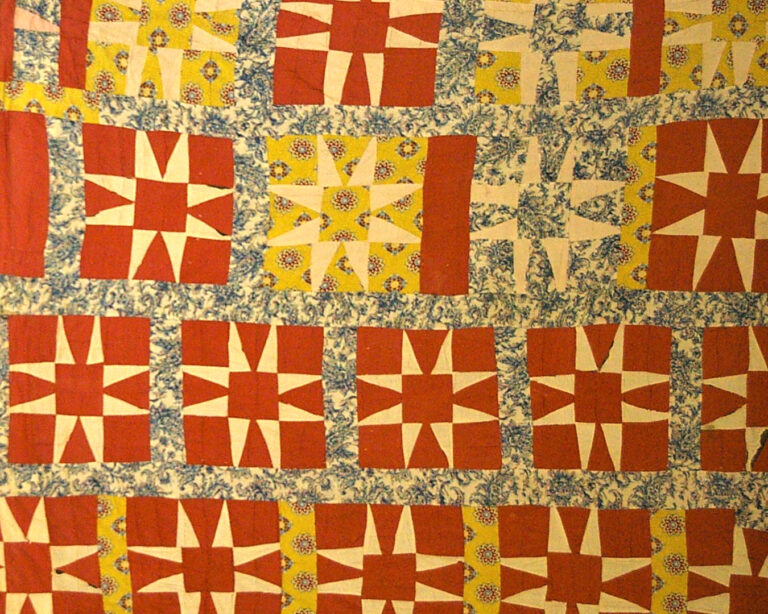
The block pattern used in this quilt is called Aunt Addie’s Album, but what Lucie found interesting was, the quilt is made up of two kinds of quilt blocks. The look of the fabric used in some of the blocks suggest that the fabric pre dates 1910, when Matilda migrated from Kansas to Alberta, where other blocks indicate fabric and patterns from a later period. While we will never know for sure the whole story about the quilt, it appears Matilda may have started the quilt prior to coming to Canada, and it remained at the bottom of a trunk until she finished it with different materials in the 1930’s. From worn spots in the quilt, it appears pieces of old woolen blankets and underwear were used for the batting of the quilt. While the quilt is not in pristine condition, it shows that it was used, and likely appreciated, keeping away the cold of an Alberta winter.