
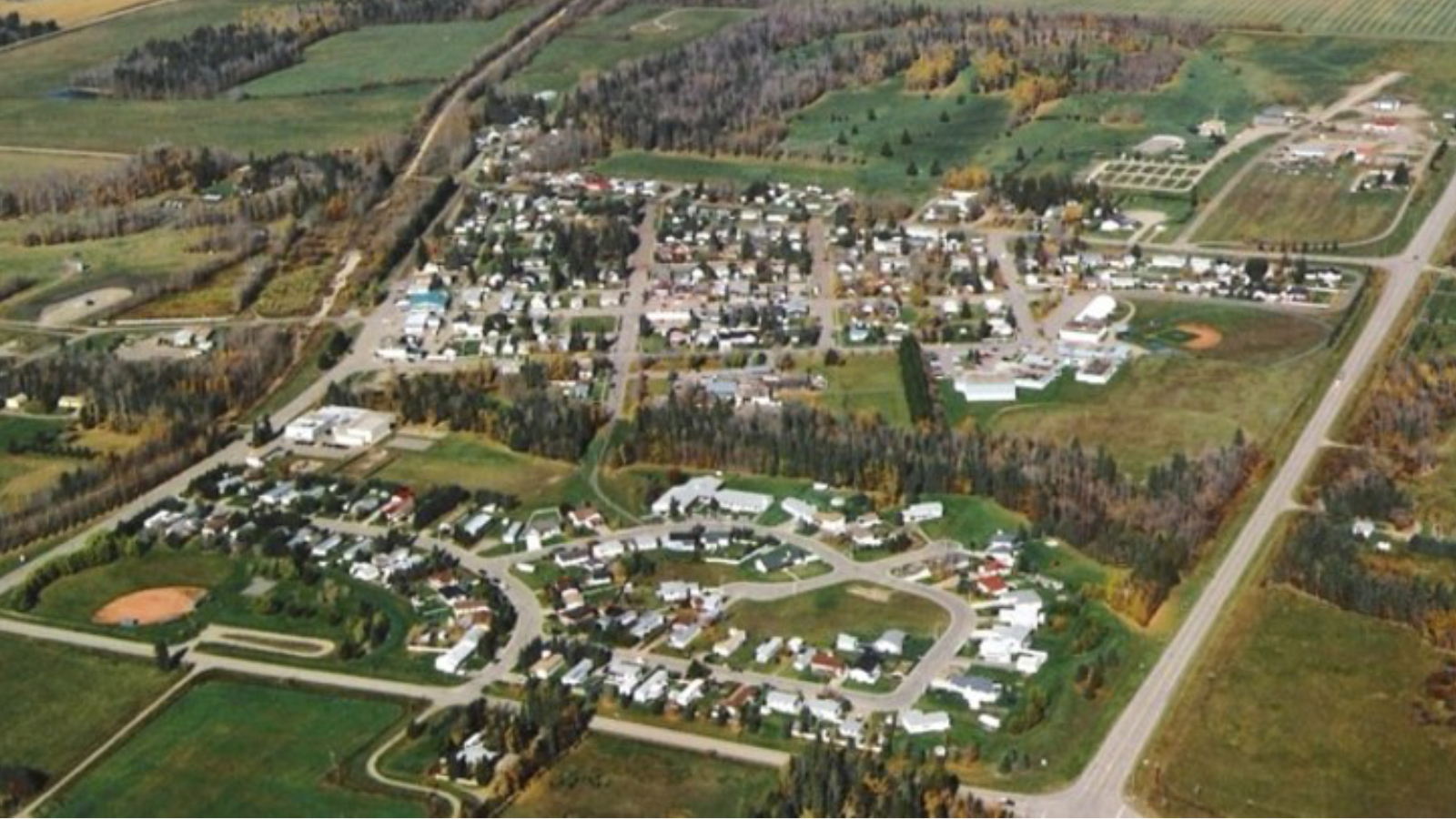
The Breton area of Brazeau County will be home to approximately 300 more jobs in the near future, if a new hydrocarbon recycling facility goes ahead as planned.
Fiscal Energy Corporation has plans to develop the $100 million facility in the east end of Brazeau County. The company held a pair of open houses last week to speak to the landowners in the area.
Brian Gibbons, Vice President of Fiscal, says they have three sites that they are considering for the plant. Gibbons says they plan to locally source companies to help with the construction of the plant as well.
“At the core of what this technology is about, is to remove the hydrocarbon contamination from soil and other materials,” says Gibbons.
The technology, he says, was proven to work in a 34-month pilot project that took place in 1999. The reason for the time lapse in between then and now was that Cal Fisher, the president of Fiscal and the inventor of the technology, had to fight court battles to keep his rights for the patent.
“It’s a proven technology, we know it works,” he says.
He says the company picked Brazeau County because it is a central hub area that is easily accessible to many companies in the oil and gas industry.
“The main draw is the proximity. There’s a lot of traffic through Brazeau County,” he says.
The recycling plant, the first of its kind in Canada, will be taking in invert, contaminated soil, and other contaminated substances from spills or tailing ponds that would normally just get packed into a landfill. They will pull the hydrocarbons out of the substance and then the substances can be put back into use.
Gibbons says the timeline for the project will consist of three phases. First, they need to have the substances trucked into the facility, and that will be their main focus initially. Next, they will have to work on processing those substances, and he estimates they can begin this in a year. Thirdly, they plan to do everything in their power to mitigate the carbon emissions the facility will have and are making plans for that.
One of the ideas being considered is a greenhouse next to the facility. The process of removing the hydrocarbons will result in large quantities of carbon dioxide. Gibbons says they’ve seen projects where companies funnel the CO2 into greenhouses because it’s a gas that plants need to thrive.
“The processing is the core of the technology,” he says. “We pull all of them out: Ninety-nine point nine percent.”
At the moment, he says most companies are stockpiling these substances in landfills, and the goal of the recycling plant is to limit that from happening. Once they have removed the hydrocarbons, the substance is clean and can be used again.
“If there’s a spill and we pull all of the crude out of the dirt, that crude can go back on the market afterwards. That dirt can now be used safely,” he says.