The Drayton Valley Auxiliary Thrift Store is asking donors to take a closer look at what they plan to drop off at the store.
Doreen Beckett, the president of the Drayton Valley Auxiliary and manager of the store, says they have been overwhelmed by clothing donations and cannot accept more at the moment. The issue, she says, is that much of what is being donated is not fit for sale, and it’s hard for them to dispose of the excess items without incurring costs to have it taken to the landfill.
“I appreciate the donations. Don’t get me wrong; we all do. The whole auxiliary does, but I think we’re just getting tired of moving garbage in and moving garbage out,” she says.
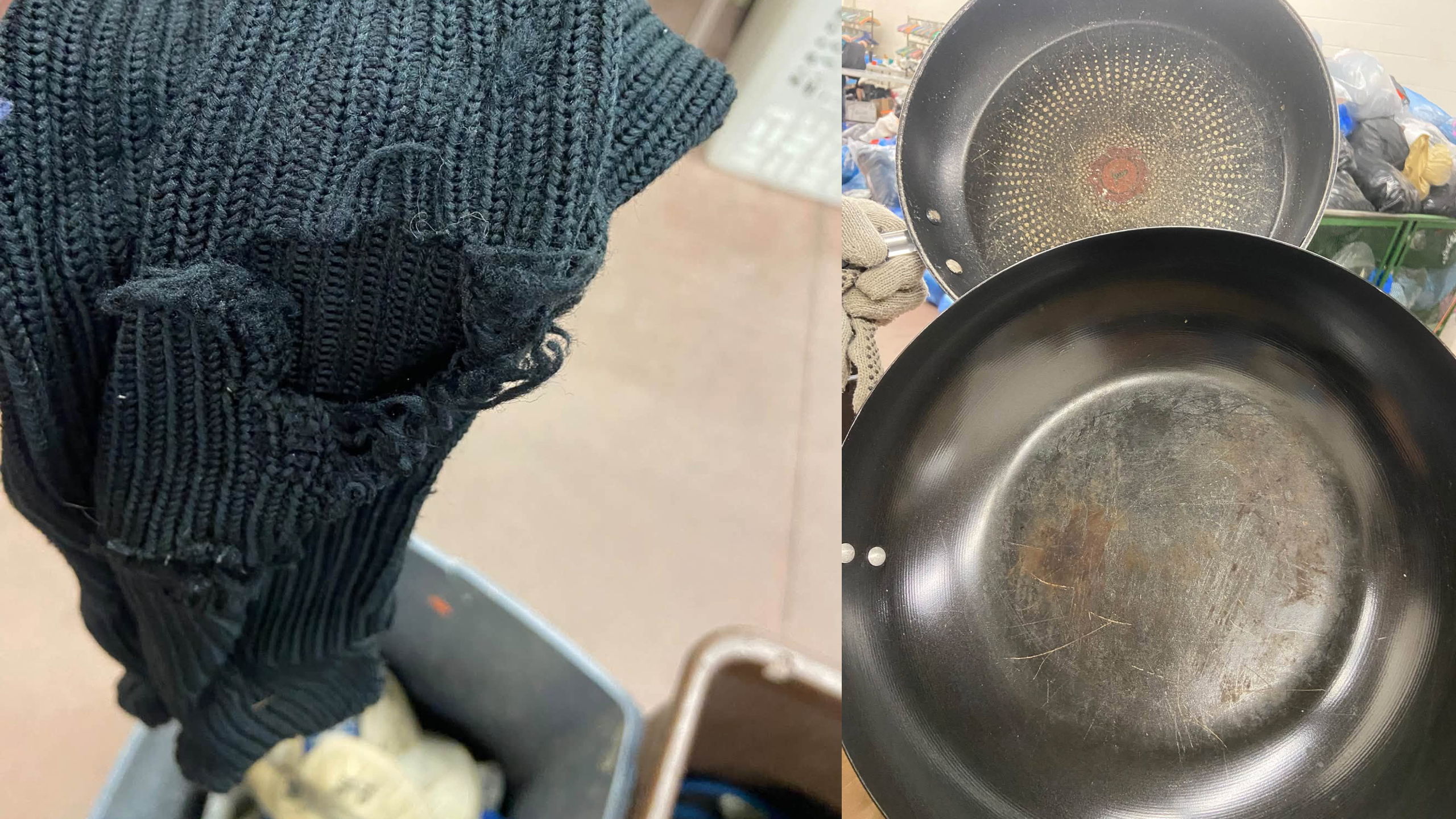
Beckett says this issue is something thrift stores are dealing with across the board. The fast fashion trend, which refers to cheaply made clothing that is easily replaceable, has led to more clothing items getting donated even though they are stained or damaged. Pilling, stains, holes, and changes in shape and size due to wear or washing make the clothing items less desirable, or in some cases, unsellable, at the store.
She says they don’t mind if the item is one purchased from stores like Shein or Temu so long as it is still usable and offers good value to the next person who buys it.
“It’s overwhelming right now, and with no out for the stuff we can’t sell. It’s going to end up having to go in the garbage dump, and that’s going to take right off the top of our profit,” she says.
In the past, companies that recycle clothing into insulation, sound-deadening materials, and other usable items came and picked up any excess clothing the store had. They’ve also given stuff to the diabetes foundation and talked to other thrift stores, but everyone is facing similar situations.
“People are getting upset with some of the guys, but they’re tired of hauling garbage in and hauling it out,” says Beckett.
She says they tell people what they will take or not take, and sometimes the response is that the hopeful donor will just put it in their dumpster instead.
“No, because we pay for that. You put it in your own dumpster,” she says.
Currently, she is waiting to hear back from one of those companies to see if they will make a pickup. She has a truckload of seasonal clothing, and a truckload of unsaleable clothing as well, and there is no room for sorting.
“If this guy that I’m waiting on doesn’t get back to me, then I’m going to have to start firing all that stuff into the garbage bins. And if I do that, then I’m going to have to have two pickups a week with three days, and it’s going to be clothing in the landfill,” she says.
Though they want usable clothing, Beckett acknowledges that usable is a subjective term. Some people may pass on a pilled shirt, thinking it still works fine, while others think that makes the item defective. So she says it can be a difficult thing for them to educate people about.
“I have clothes at home that I wear that are like some of those clothes that get sent to us that I can’t sell, but I’m not gonna take them to the thrift store when I’m done with them,” she says.
This same concept can be applied to other items, as well. Beckett says stained pots and pans, books in rough shape, shoes that have been worn out, and similar items aren’t something they can sell.
Sometimes, the thrift store will get donations from an estate. Part of the reason for the donations is the person wants to donate items that can be used. Another part is that people don’t want the expense of taking everything to the dump.
“A lot of things that come to us are not saleable items,” she says. “It’s hard, and it’s not just here.”
Beckett says when people are choosing what to donate, there are things they need to consider.
Firstly, they don’t have a washing machine or lots of time to spend running lint rollers over clothing. If the items are covered in animal hair, they can’t take them because some people have allergies, and in some cases, the hair won’t come off. The same goes for items that smell like cigarette smoke. In some situations, it’s almost impossible to get the smell out, and they can’t sell it because some people have allergies.
When it comes to bags, Beckett says they have more than their fair share of reusable bags. Sometimes, they receive donations of bags of bags, but the same thing applies. If it’s covered in hair, stained, dirty, or smells, they can’t take it in.
And she asks that people consider the volunteers’ backs when deciding the best way to bring their items. A large garbage bag packed full of clothing can be really heavy, and any volunteers with back issues are going to struggle with lifting it onto their table.